How do lawyers prepare for trial behind the scenes?
Lawyer Answers

How do lawyers prepare for trial behind the scenes?
Andy Soliman
los angeles, USA
View Profile
Read Answer
Full Explanation
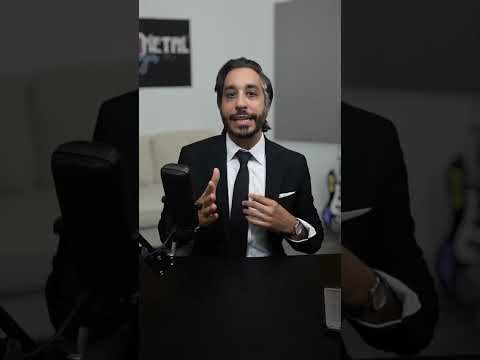
Lawyers engage in extensive preparation for trial behind the scenes, focusing primarily on crafting a compelling narrative for the jury. The foundation of this preparation involves determining the core story that will resonate with jurors. This narrative must be constructed around the facts of the case in a manner that captures the jury's attention and elicits their emotional investment.
A key aspect of this preparation is understanding the values that jurors hold, whether those values are personal or societal. Lawyers must consider what elements of the case will appeal to these values, thereby enhancing the likelihood of a favorable reception. This understanding informs the development of the narrative, ensuring that it aligns with the jurors' perspectives and beliefs.
Additionally, lawyers must strategize how they want the jury to resolve the case. By the time the trial reaches the closing argument, jurors should have a clear understanding of the story, their own values, and the desired outcome. The closing argument serves to consolidate these elements, reinforcing the narrative and guiding jurors toward a decision that aligns with both the law and the case presented. When the law supports the lawyer's position, jurors are more likely to feel confident in their decision, ultimately leading to a favorable verdict.
Related Questions
How do lawyers prepare for trial behind the scenes? - Answer by Andy Soliman
Lawyers engage in extensive preparation for trial behind the scenes, focusing primarily on crafting a compelling narrative for the jury. The foundation of this preparation involves determining the core story that will resonate with jurors. This narrative must be constructed around the facts of the case in a manner that captures the jury's attention and elicits their emotional investment. A key aspect of this preparation is understanding the values that jurors hold, whether those values are personal or societal. Lawyers must consider what elements of the case will appeal to these values, thereby enhancing the likelihood of a favorable reception. This understanding informs the development of the narrative, ensuring that it aligns with the jurors' perspectives and beliefs. Additionally, lawyers must strategize how they want the jury to resolve the case. By the time the trial reaches the closing argument, jurors should have a clear understanding of the story, their own values, and the desired outcome. The closing argument serves to consolidate these elements, reinforcing the narrative and guiding jurors toward a decision that aligns with both the law and the case presented. When the law supports the lawyer's position, jurors are more likely to feel confident in their decision, ultimately leading to a favorable verdict.