In California, law enforcement officers are permitted to use deceptive tactics to encourage individuals to come in for questioning. This means that police can mislead individuals about the reasons for their request to speak with them. If an individual voluntarily agrees to come in, the police retain the authority to arrest that person later if they establish probable cause.
The voluntary nature of the individual's decision to go in for questioning is a critical aspect of this scenario. It is important to note that even if an individual feels compelled to comply with the police's request, the decision to attend the meeting is ultimately voluntary.
Given the potential legal implications of engaging with law enforcement, it is strongly advised that individuals do not speak with the police without the presence of an attorney. Any statements made during such interactions can be used against the individual and may contribute to the establishment of probable cause for an arrest.
In summary, police in California can indeed mislead individuals regarding the reasons for their request to come in for questioning and can subsequently arrest them if probable cause is established. Legal representation is highly recommended in these situations to protect one's rights and interests.
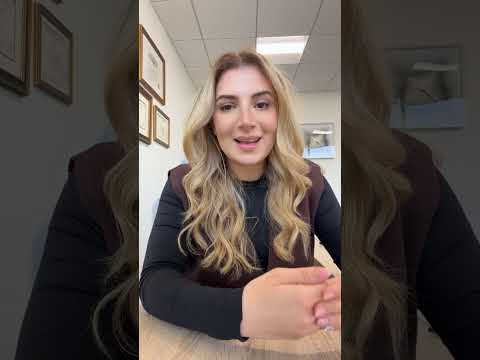
Can police lie to me about why they want me to come in, and arrest me when I go? - Answer by Hripsime Bagdasaryan
In California, law enforcement officers are permitted to use deceptive tactics to encourage individuals to come in for questioning. This means that police can mislead individuals about the reasons for their request to speak with them. If an individual voluntarily agrees to come in, the police retain the authority to arrest that person later if they establish probable cause.
The voluntary nature of the individual's decision to go in for questioning is a critical aspect of this scenario. It is important to note that even if an individual feels compelled to comply with the police's request, the decision to attend the meeting is ultimately voluntary.
Given the potential legal implications of engaging with law enforcement, it is strongly advised that individuals do not speak with the police without the presence of an attorney. Any statements made during such interactions can be used against the individual and may contribute to the establishment of probable cause for an arrest.
In summary, police in California can indeed mislead individuals regarding the reasons for their request to come in for questioning and can subsequently arrest them if probable cause is established. Legal representation is highly recommended in these situations to protect one's rights and interests.