Can Social Media Affect Your Immigration Application?
Lawggle
support@lawggle.com
Can Social Media Affect Your Immigration Application?
A social media post may feel separate from an immigration application. To an immigration officer, however, your online activity may be another source of information about your identity, history, relationships, employment and reasons for entering or remaining in the United States.
Yes, social media can affect a U.S. immigration application. Immigration authorities may review publicly available online information and, for many visa applicants, request social media identifiers used during the preceding five years.
One controversial post will not automatically result in a denial. Problems may arise when online activity contradicts an application, suggests fraud or misrepresentation, reveals undisclosed conduct or raises security, criminal, admissibility or eligibility concerns.
The issue is not simply whether an applicant uses social media. It is whether the information found online affects a legal requirement or calls the accuracy of the application into question.
Do Immigration Officers Check Social Media?
Immigration screening can include an applicant’s online presence.
Since 2019, the U.S. Department of State has requested social media identifiers from most immigrant and nonimmigrant visa applicants through forms such as the DS-160 and DS-260. Screening and online-presence reviews have continued to expand for certain visa classifications.
Applicants should assume that public posts, photographs, biographies, usernames and interactions may be reviewed when relevant to an immigration decision.
This does not mean an officer reads every post belonging to every applicant. It means social media may form part of the information used to verify identity, assess eligibility or investigate a concern.
Watch an Immigration Attorney Answer
Can what I post on social media affect my immigration application?
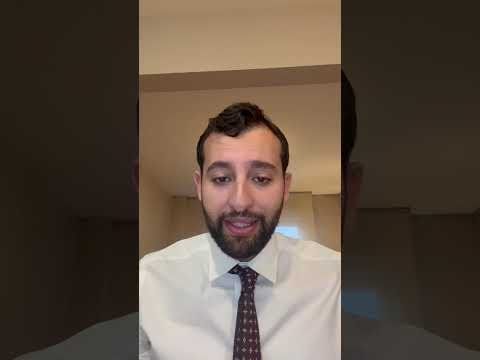
This Lawggle answer is provided by Samie Othmane, a U.S. immigration attorney, who explains how an applicant’s online activity may become relevant during the immigration process.
What Social Media Information May Be Reviewed?
The information available depends on the platform, the account’s privacy settings and what the applicant has disclosed.
Reviewable information may include:
Usernames and account identifiers
Public posts and comments
Photographs and videos
Profile biographies
Employment and education details
Relationship information
Travel locations
Group memberships
Public interactions with other accounts
Content in which the applicant has been publicly tagged
Older posts that remain accessible
Online information does not exist in isolation. An officer may compare it with immigration forms, supporting documents, interview answers and information from other government records.
What Types of Social Media Posts Can Cause Immigration Problems?
A post does not normally cause a problem merely because it is embarrassing, unpopular or informal. The legal concern is whether it provides information relevant to the application.
Posts That Contradict the Immigration Application
Contradictions are among the most significant risks.
An application may state that someone is unemployed while a professional profile lists current employment. A person applying based on a marriage may appear online to be in a different relationship. Travel posts may conflict with dates or locations reported on immigration forms.
The online information might be outdated, inaccurate, sarcastic or posted by someone else. Even so, a material inconsistency may lead to questions, requests for evidence, delays or credibility concerns.
Applicants should ensure their forms are accurate rather than changing truthful information merely to make everything appear identical.
Posts Suggesting Unauthorized Employment
Social media may create questions about employment authorization.
For example, an applicant may publicly advertise services, describe themselves as working for a U.S. business or share evidence of paid work during a period when they were not authorized to work.
Not every professional post proves unauthorized employment. Volunteer activities, remote work and business ownership can raise complicated immigration questions. An attorney should assess the applicant’s actual conduct and status.
Posts Affecting a Marriage-Based Application
In a marriage-based case, officers may review available information when evaluating whether a relationship is genuine.
Photos, relationship statuses, travel history and public interactions can support an application. They can also raise questions when they conflict with the couple’s submitted timeline or suggest that one spouse is in another relationship.
Couples do not need to perform their relationship online. Some genuine couples rarely post about each other. The concern is not the absence of romantic content by itself—it is whether the available evidence reveals a meaningful contradiction.
Posts About Drugs or Criminal Conduct
Posts that appear to show drug use, violence, threats, criminal conduct or gang involvement may attract scrutiny.
A photograph or joke does not necessarily prove that a crime occurred. Context matters. However, online material may lead to additional questions or become relevant when it relates to criminal history, admissibility, public safety or another legal requirement.
Posts That Suggest Fraud or Misrepresentation
Immigration applications require truthful information.
A fabricated employment history, false relationship, inconsistent identity or misleading explanation for travel may have serious consequences if it is material to an immigration benefit.
Deleting a contradictory post does not correct an inaccurate application. The application itself should be reviewed and corrected through the proper legal process where necessary.
Posts Raising Security or Vetting Concerns
Online content involving threats, extremist activity or other security concerns may receive close attention.
Social media vetting can be fact-specific, and a post may be misunderstood when viewed without its original context. Applicants concerned about past content should speak with an immigration attorney before filing or attending an interview.
Can Private Social Media Accounts Be Reviewed?
Privacy settings can limit what ordinary members of the public see, but they should not be treated as a guarantee that immigration authorities will never encounter the content.
Information may remain available through:
Public posts made before the account became private
Screenshots or reposts
Tagged photographs
Other people’s public accounts
Archived or cached material
Information provided in an application
Lawful government investigative methods
Certain visa applicants may also be instructed to make social media profiles public for online-presence review.
Applicants should answer all questions truthfully. They should not provide false usernames, conceal requested identifiers or assume that an account cannot be connected to them.
Do You Have to Disclose Every Social Media Account?
Applicants should carefully follow the instructions on the immigration or visa form they are completing.
Visa forms may request identifiers used on listed platforms during a specified period. A social media identifier is generally a username or handle—not the applicant’s password.
An applicant should not omit a requested account because it is inactive, embarrassing or unlikely to be found. Knowingly providing false or incomplete information can create a more serious issue than the content of the account itself.
If someone cannot remember an old username or is unsure what a question requires, they should obtain guidance rather than guess.
Should You Delete Social Media Before Applying for a Visa or Green Card?
Mass-deleting accounts immediately before filing is not a reliable immigration strategy.
Deleting social media does not guarantee that the information disappears. Copies, screenshots, archived pages and other users’ posts may remain available. A sudden deletion also does not fix a contradiction or change past conduct.
Applicants can reasonably review their online presence for:
False or outdated biographical information
Compromised or impersonating accounts
Incorrect employment dates
Posts published by someone else without permission
Public information that lacks necessary context
Privacy and security settings
The goal should be accuracy and security—not hiding relevant information or creating a misleading online history.
If a post exposes a genuine immigration concern, speak with an attorney before deleting it or submitting an application. Preserving the original content may be important for explaining its context.
Can Deleted Social Media Posts Still Affect an Application?
Potentially.
Deleting a post removes it from the account’s current public view, but it may continue to exist in screenshots, reposts, platform records, archives or previous government searches.
An applicant should not falsely state that an account or post never existed. If deleted content becomes an issue, the appropriate response will depend on what it showed, why it was removed and whether it relates to a question on the application.
Can Political Opinions Affect an Immigration Application?
Expressing a political opinion does not automatically disqualify someone from receiving an immigration benefit.
However, immigration screening can involve questions about security, violence, unlawful activity, organizational memberships and other statutory considerations. The legal significance of a post depends on its content, context and connection to an immigration requirement.
Criticism, satire, reposted material and statements made by someone else can also be misinterpreted. Applicants concerned about a specific post should have it reviewed in context instead of trying to diagnose the risk themselves.
Can Jokes, Memes or Sarcastic Posts Be Misunderstood?
Yes.
Online humor does not always travel well. Sarcasm, slang and cultural references may be difficult to interpret, particularly when a post is reviewed years later or without the surrounding conversation.
Calling a statement a joke does not automatically resolve the issue. At the same time, an isolated joke should not automatically be treated as proof that the applicant engaged in the conduct described.
Context matters, including:
When the post was made
The complete conversation
The intended audience
Whether the account was genuine
Whether the content was altered
Whether the statement contradicts sworn information
Whether the applicant actually engaged in the conduct
Preserve anything needed to establish that context.
What If Someone Else Tagged You or Posted About You?
Applicants do not control everything other people publish.
A tag, photograph or accusation does not necessarily prove that the applicant agreed with the post or participated in the conduct shown. Fake accounts and impersonation can also occur.
If third-party content creates a false impression, preserve evidence showing:
Who controlled the account
When the content was posted
Whether the applicant objected
Whether the image or video was altered
The complete conversation surrounding the post
Reports made to the platform
Evidence of impersonation or hacking
Do not fabricate an explanation or pressure another person to change evidence.
What Happens If Social Media Contradicts Your Application?
The possible outcome depends on the importance of the inconsistency.
An officer may:
Ask questions during an interview
Request additional documents
Issue a request for evidence
Delay the decision for further review
Question the applicant’s credibility
Examine whether a statement was false or misleading
Consider whether the applicant remains eligible
Deny the application when a legal ground supports denial
Not every inconsistency is fraud. People forget dates, leave old biographies online and describe events casually on social media. The key questions often involve whether the information was false, whether the applicant knew it was false and whether it mattered to the immigration decision.
An applicant should not improvise an explanation during an interview if the issue may have legal consequences.
What Should You Do Before Submitting an Immigration Application?
Before filing, review both the application and your public online information.
Check Your Application for Accuracy
Confirm that dates, employment, addresses, travel, relationships and immigration history are complete and accurate.
Identify Genuine Inconsistencies
Compare public profile information with the application. Do not change accurate facts simply for appearances. Determine whether an actual error needs to be corrected.
Preserve Important Context
Save complete conversations, original photographs or evidence of impersonation if a post could be misunderstood.
Secure Your Accounts
Change compromised passwords, enable multifactor authentication and report impersonating accounts. Account security is different from concealing information.
Get Advice Before Explaining a Serious Issue
An immigration attorney can assess whether a post is legally relevant, whether an application should be corrected and what evidence may explain the situation.
Frequently Asked Questions About Social Media and Immigration
Can Immigration Officers See My Private Messages?
Public online-presence screening is different from unrestricted access to private messages. The government does not automatically receive every private message simply because someone files an immigration application. Different legal processes and circumstances may affect access to nonpublic information.
Will One Bad Social Media Post Cause a Visa Denial?
Not necessarily. The result depends on what the post says, whether it is authentic, its context and whether it relates to a legal ground of ineligibility or inadmissibility.
Can Immigration Officers See Deleted Accounts?
Deleted content may remain available through screenshots, reposts, archives, platform records or information already collected. Deletion should not be treated as a guarantee that the content is gone.
Should I Make My Social Media Private Before Applying?
Applicants should follow the instructions applicable to their visa classification and forms. Certain applicants may be instructed to make their profiles public for online-presence review. Privacy settings should never be used to justify withholding requested identifiers or making a false statement.
Does USCIS Ask for Social Media Passwords?
A request for a social media identifier means a username or handle, not necessarily a password. Applicants should read the exact form instructions and should never volunteer passwords to scammers or unofficial websites.
Can Social Media Help an Immigration Application?
Potentially. Authentic online information may support facts involving a genuine relationship, professional history, community involvement or travel. Social media is not a substitute for the documents required by the application.
Ask an Immigration Lawyer Before You Apply
Social media does not exist separately from an immigration application anymore. Public posts may confirm what an applicant has disclosed—or raise questions that require evidence and legal context.
Do not panic and delete everything. Do not hide requested accounts. Most importantly, do not submit information that you know is inaccurate.
If you are concerned about a post, old account, online relationship or inconsistency, an immigration attorney can assess whether it is legally relevant and help you address it before it becomes a larger issue.
On Lawggle, you can watch real immigration attorneys answer real legal questions, explore related immigration answers or ask your own question.
This article provides general legal information and is not legal advice. Immigration laws, policies and screening practices can change. The outcome of any matter depends on its specific facts and applicable law. Viewing a Lawggle answer or using Lawggle does not create an attorney-client relationship.
Insight Gallery
Related Insights
No related insights currently published.