Can Someone Sue You for Making a Deepfake?
Lawggle
support@lawggle.com
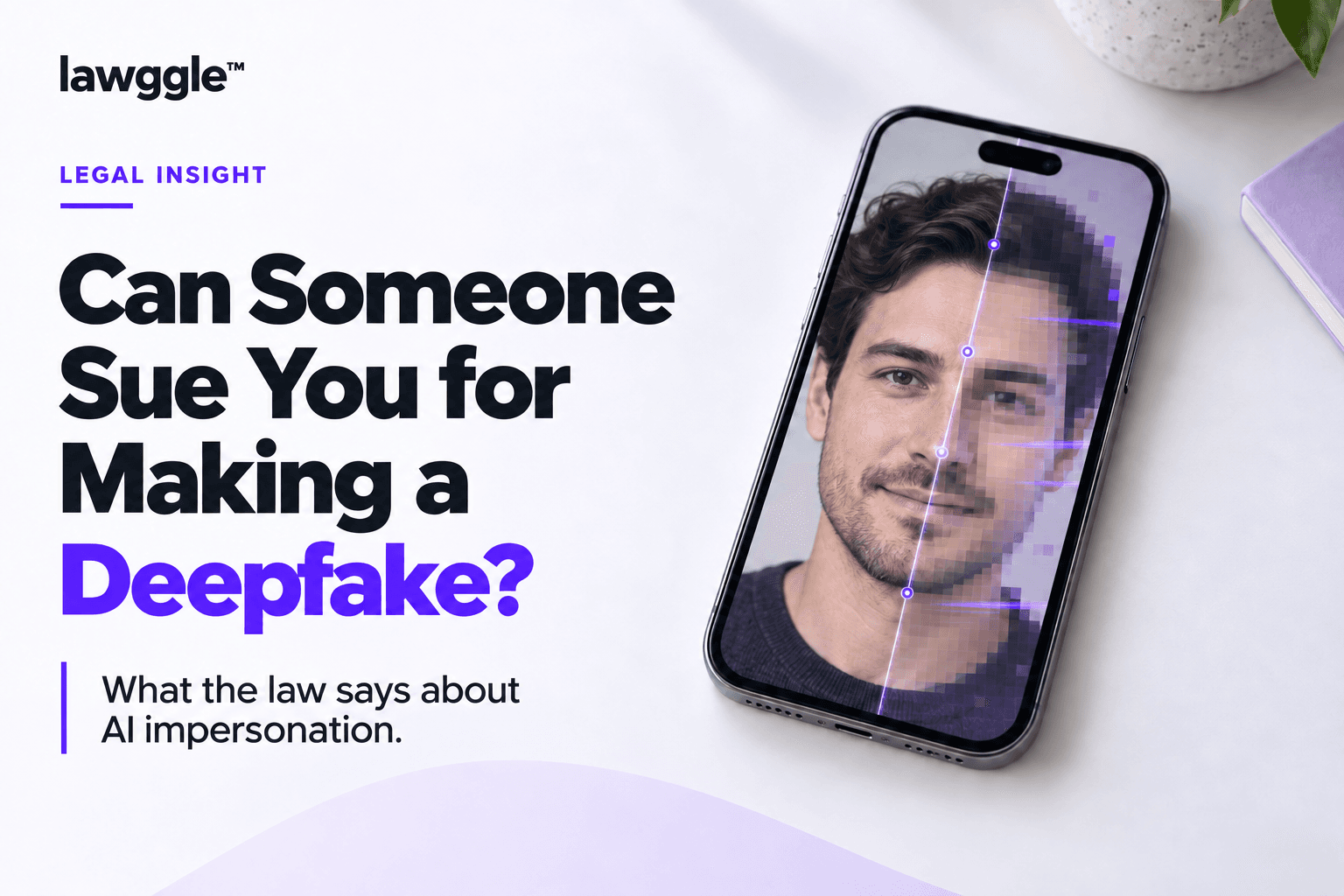
Can Someone Sue You for Making a Deepfake?
Artificial intelligence can now create convincing videos, photographs and voice recordings of real people in minutes.
But what happens when a deepfake uses someone’s face, voice or identity without permission? Can that person sue? Could making or sharing the content also lead to criminal consequences?
The short answer is yes, depending on what the deepfake depicts, why it was created, how it was presented and where the people involved are located.
A clearly fictional parody is not the same as a realistic video designed to damage someone’s reputation, impersonate them, exploit them sexually or deceive someone for money.
What is a deepfake?
A deepfake is digitally created or manipulated media that makes it appear as though a real person said or did something that did not happen.
Deepfakes can include:
Videos that replace one person’s face with another
AI-generated photographs of an identifiable person
Voice recordings that imitate someone’s speech
Fabricated advertisements or endorsements
Fake sexual or intimate images
Videos presented as authentic news, evidence or eyewitness footage
The technology itself is not necessarily illegal. Legal problems generally arise from the content, purpose, distribution and resulting harm.
Can someone sue you for making a deepfake?
Yes. A person depicted in a deepfake may have grounds to bring a civil claim if the content violates their legal rights or causes legally recognizable harm.
Possible claims can involve:
Defamation
False light
Invasion of privacy
Misappropriation of name or likeness
Violation of publicity rights
Intentional infliction of emotional distress
Harassment or stalking
Fraud or impersonation
Copyright or trademark infringement
Nonconsensual intimate imagery
Not every claim exists in every state. The required evidence, available defences and possible damages depend heavily on the jurisdiction and circumstances.
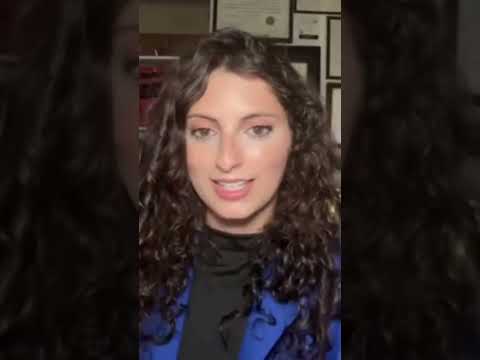
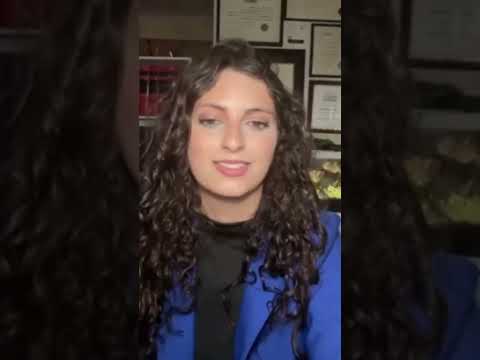
Watch Star Kashman answer this question
Featured Lawggle answer:
Can someone sue me for making a deepfake?

About Star Kashman
This legal answer was provided by Star Kashman, a Cybercrime & Digital Law attorney and Founding Partner of Cyber Law Firm.
Star’s practice focuses on technology-facilitated harm, including deepfakes, cyberstalking, cyberharassment, doxing, hacking, online defamation, privacy violations and other forms of digital abuse.
She is licensed in New York, New Jersey, Pennsylvania, Connecticut and Vermont, and Cyber Law Firm handles qualifying matters nationwide.
Follow Star on Instagram: @cyberlawstar
What kinds of lawsuits can result from a deepfake?
The legal claim will depend on what the deepfake communicates and how it is used.
Defamation
A deepfake may be defamatory if it falsely portrays an identifiable person in a way that damages their reputation.
For example, fabricated media might appear to show someone:
Committing a crime
Making discriminatory comments
Engaging in professional misconduct
Admitting to dishonest behaviour
Participating in sexual activity
Supporting a controversial organization or belief
Embarrassment alone does not necessarily establish defamation. A claimant generally needs to show that the content communicated a false factual impression to someone else and caused legally recognizable harm.
False light and invasion of privacy
Some jurisdictions recognize claims when a person is publicly portrayed in a highly misleading and offensive way, even when the circumstances do not fit a traditional defamation claim.
Privacy claims may also arise when a deepfake uses private information, depicts intimate conduct or places someone in a fabricated situation that would be highly offensive to a reasonable person.
Misappropriation and the right of publicity
Publicity rights generally protect against unauthorized commercial use of a person’s identity.
A deepfake may create liability when someone’s name, face, voice or recognizable persona is used to:
Advertise a product or service
Create a fake endorsement
Promote a company
Attract paying subscribers
Sell merchandise
Generate advertising revenue
These rights differ considerably by state. Some jurisdictions protect identity through specific statutes, others rely on common law, and the scope of protection is not uniform across the United States.
Publicity-right claims are not necessarily limited to celebrities.
Fraud and impersonation
A deepfake can become part of a fraud or impersonation scheme when it is used to deceive someone into providing money, property, confidential information or account access.
Examples include:
Cloning an executive’s voice to authorize a transfer
Impersonating a relative during an emergency scam
Fabricating a professional endorsement
Pretending to represent a business or government agency
Creating false evidence to influence a legal decision
Using someone’s identity to access an account
The person who creates the deepfake may not be the only person exposed to liability. Someone who knowingly distributes or uses it as part of a deceptive scheme may also face consequences.
Emotional distress and harassment
A targeted deepfake campaign may support claims involving emotional distress, harassment, stalking or threats.
Risk increases when the creator repeatedly contacts the target, encourages others to harass them, publishes personal information or uses the content to intimidate or control them.
What if the deepfake is sexual or intimate?
Creating or distributing sexually explicit deepfakes without the depicted person’s consent can have especially serious consequences.
Federal and state laws may apply to nonconsensual intimate imagery, including realistic AI-generated or digitally altered images.
The federal TAKE IT DOWN Act covers qualifying nonconsensual intimate images and certain “digital forgeries.” Covered platforms must provide a removal process and generally remove qualifying content, along with known identical copies, within 48 hours after receiving a valid request.
A platform takedown does not necessarily prevent the person depicted from pursuing other civil or criminal remedies.
Can copyright law apply to a deepfake?
Copyright issues may arise when a deepfake incorporates protected photographs, videos, music, recordings or other creative material without authorization.
Copyright law does not generally give someone complete ownership of their face, voice or identity. Those interests are often addressed through privacy and publicity laws instead.
Several rights can apply to the same deepfake. Permission to use an original photograph, for example, does not necessarily include permission to create a misleading digital replica of the person shown in it.
Are parody and satire protected?
Some deepfakes may qualify as parody, satire, commentary or other protected expression.
Context matters.
A clearly exaggerated comedy video is different from a realistic fabrication distributed as genuine footage. Relevant considerations may include:
- Whether the work comments on or criticizes its subject
- Whether viewers are likely to believe it is authentic
- Whether it communicates false factual claims
- Whether it is being used commercially
- Whether it caused legally recognizable harm
- Whether it involves intimate content, threats, fraud or harassment
Calling something “parody” does not automatically protect it. What the content communicates and how it is presented matter more than the label chosen by its creator.
Does labelling a video as AI-generated prevent a lawsuit?
Not necessarily.
A clear disclosure may reduce the likelihood that viewers will mistake the content for genuine footage. That can be important when evaluating deception or reputational harm.
However, an AI disclaimer does not automatically authorize someone to use another person’s identity commercially, create nonconsensual intimate imagery, harass someone or incorporate copyrighted material.
A disclaimer helps provide context. It is not blanket legal protection.
What could happen after a deepfake lawsuit?
Depending on the claim and jurisdiction, the person targeted may seek:
- Removal of the content
- An order preventing further distribution
- Compensation for financial losses
- Damages for reputational or emotional harm
- Profits earned from unauthorized commercial use
- Statutory damages
- Legal costs or attorneys’ fees
- Identification of an anonymous creator or account holder
A criminal investigation may also occur when the conduct involves fraud, extortion, stalking, threats, identity theft, election interference or nonconsensual intimate imagery.
What should you do before creating or sharing a deepfake?
Before publishing AI-generated media involving a real person, ask:
- Do I have the person’s permission?
- Could viewers reasonably believe the content is authentic?
- Does it falsely portray the person committing misconduct?
- Am I using the person’s identity to promote or sell something?
- Does it include sexual, intimate or humiliating material?
- Am I using copyrighted images, recordings or music?
- Could the content facilitate fraud, harassment or threats?
- Does the relevant state have a specific deepfake law?
A prominent disclosure can reduce confusion, but it cannot make otherwise unlawful conduct lawful.
If the content involves a real person and carries reputational, financial, sexual or political implications, obtain legal advice before publishing it.
What should you do if someone creates a deepfake of you?
Preserve the evidence before reporting or removing anything.
Save:
- Screenshots and screen recordings
- Complete URLs
- Usernames and profile information
- Dates and times
- Messages from the creator or distributor
- Reposts and identical copies
- Evidence of lost employment, customers or income
- Messages from people who believed the content was real
Report the content through the platform’s complaint system. If intimate imagery is involved, use the platform’s nonconsensual-intimate-image removal process.
A lawyer can help determine whether to send a preservation notice, demand removal, seek information identifying an anonymous creator, request emergency court relief or pursue damages.
Do not retaliate, threaten the creator or alter the original evidence.
Is making a deepfake always illegal?
No. Deepfakes can be used for entertainment, accessibility, education, artistic expression and clearly disclosed parody.
Legal risk increases when a deepfake:
- Deceives viewers
- Damages someone’s reputation
- Uses someone’s identity commercially
- Invades someone’s privacy
- Depicts intimate activity without consent
- Facilitates harassment, fraud or threats
- Uses protected creative material without permission
- Violates a state-specific deepfake law
The legal question is not simply whether artificial intelligence was used. What matters is what was created, how it was presented, why it was distributed and what harm resulted.
More cybercrime and digital-law answers
Is it illegal to log in to someone’s account if you know their password?

I have been hacked. Do I have legal options?
Someone is harassing me online. What can I do right now?
Have a legal question about a deepfake?
Deepfake cases can involve overlapping state and federal laws. The available response may depend on where the content was created, where it was published, who was depicted and what harm occurred.
On Lawggle, you can watch real lawyers answer legal questions, explore lawyers who handle cybercrime and digital-law matters or ask your own question.
ASK A QUESTION
FIND A LAWYER
This article provides general legal information and is not legal advice. Laws involving artificial intelligence, deepfakes, privacy, publicity rights and digital content vary by jurisdiction and continue to develop. Reading this article or watching a Lawggle answer does not create a lawyer-client relationship. Consult a licensed lawyer in your jurisdiction about your specific circumstances.
Insight Gallery
Related Insights
No related insights currently published.